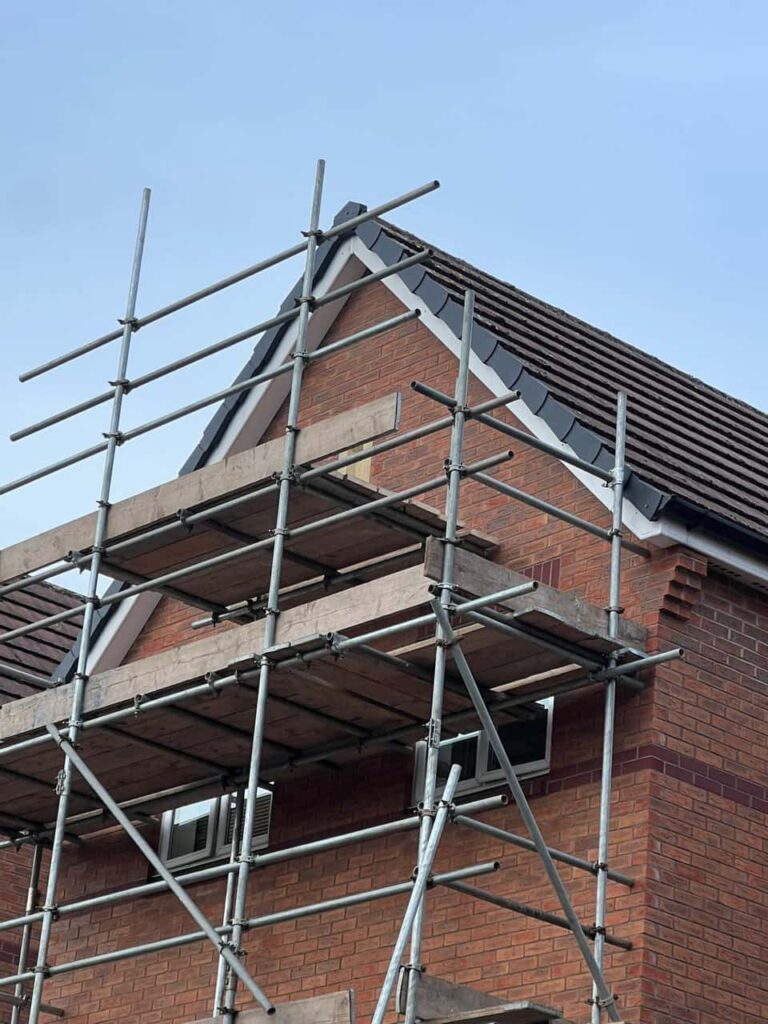
A sudden roof leak can be stressful, particularly when water is already entering the property. Acting promptly can help limit further damage and give you a better chance of identifying the source before the problem becomes more extensive.
For homeowners in Bolsover, Derbyshire, roof leaks can develop for several reasons, including damaged tiles, failed flashing, blocked drainage or deterioration of roofing materials. Knowing what to do when a leak appears can help you respond safely while arranging professional attention.
What Should You Do When Your Roof Starts Leaking?
If water is entering the property, the first priority should be protecting people and reducing immediate risks.
Place suitable containers beneath active drips where it is safe to do so, and move furniture or other belongings away from the affected area. If water is close to electrical fittings, avoid touching the affected electrical equipment and seek appropriate professional assistance.
Do not climb onto the roof to investigate the problem yourself, particularly during wet or windy conditions. A damaged or slippery roof can present significant risks.
Once the immediate situation has been managed, contact a professional roofing contractor to assess the problem.
Common Causes of Sudden Roof Leaks
A roof may appear sound from ground level while developing defects that allow water to enter. Some of the most common causes include:
Damaged or Missing Tiles
Cracked, broken or displaced tiles can create openings through which rainwater can reach the layers beneath the roof covering.
Strong winds or deterioration over time can cause tiles to move, making this a common cause of sudden water ingress.
Failed Flashing
Flashing protects vulnerable areas such as chimneys, roof valleys and junctions between different roof sections. If flashing becomes cracked, loose or deteriorated, water can enter around these areas.
Blocked Gutters and Roof Valleys
Leaves, moss and other debris can restrict water flow through gutters and valleys. When water cannot drain correctly, it may overflow or collect in areas where it can penetrate the roof.
Damaged Flat Roofing
Where a property has a flat roof section, cracks, splits, blisters or damaged joints can allow water to enter. Persistent standing water can also place additional stress on the waterproofing system.
Ageing Roofing Materials
Roof coverings and associated components naturally deteriorate over time. Small weaknesses may eventually develop into openings that become particularly noticeable during periods of heavy rainfall.
Does a Roof Leak Always Mean the Roof Needs Replacing?
No. A leak does not automatically mean that the entire roof requires replacement.
If the problem is isolated, a suitable repair may involve replacing damaged tiles, repairing flashing, clearing a drainage obstruction or treating a localised section of flat roofing.
The appropriate solution depends on the source of the leak and the condition of the surrounding roof. A professional inspection can help establish whether the problem is localised or part of wider deterioration.
Why Is Finding the Source of a Leak Important?
The point where water appears inside the property may not be directly below the roof defect. Water can travel along roof coverings, underlay, timbers and other surfaces before entering the building.
Simply treating the visible damp patch may therefore fail to resolve the underlying problem.
A proper roof inspection should consider the surrounding area and relevant roof components to establish how water is entering and what needs to be repaired.
What Happens During an Emergency Roof Repair?
The exact process depends on the nature of the damage. A roofer will first assess the affected area and identify any obvious hazards.
Where possible, immediate work may be carried out to stop or reduce water ingress. Damaged tiles, flashing, roof coverings or drainage components can then be repaired or replaced as appropriate.
Once the immediate issue has been addressed, the surrounding roof should also be checked for related defects that could contribute to further leaks.
How Can Future Roof Leaks Be Reduced?
Regular roof maintenance can help identify problems before they develop into emergencies. Keep gutters and drainage points clear, look for obvious signs of displaced or damaged roof coverings, and arrange professional attention when you notice persistent dampness or other warning signs.
It is also sensible to have the roof checked after severe weather if you suspect that tiles, flashing or other components may have been affected.
Emergency Roof Repairs in Bolsover, Derbyshire
A sudden roof leak should be addressed promptly, but attempting to investigate or repair a damaged roof yourself can create additional risks. Taking sensible immediate precautions and arranging professional assessment is a safer approach.
Bolsover Roofing Repairs provides professional emergency roof repair services in Bolsover, Derbyshire. If your roof has suddenly started leaking or you have noticed signs of significant damage, contact Bolsover Roofing Repairs to arrange an assessment and discuss the appropriate repair.
Conclusion
A sudden roof leak can result from something as localised as a damaged tile or flashing defect, but water can cause further problems if the underlying issue is left unresolved. Acting promptly helps establish the cause and allows the appropriate repair to be considered.
For homeowners in Bolsover, Derbyshire, professional assessment can help identify the source of a leak and determine whether a local repair or more extensive work is required. If your roof is leaking, contact Bolsover Roofing Repairs for professional advice and an inspection.
Call us on: 01246 948 690
Click here to find out more about Bolsover Roofing Repairs
Click here to complete our contact form and see how we can help with your roofing needs.