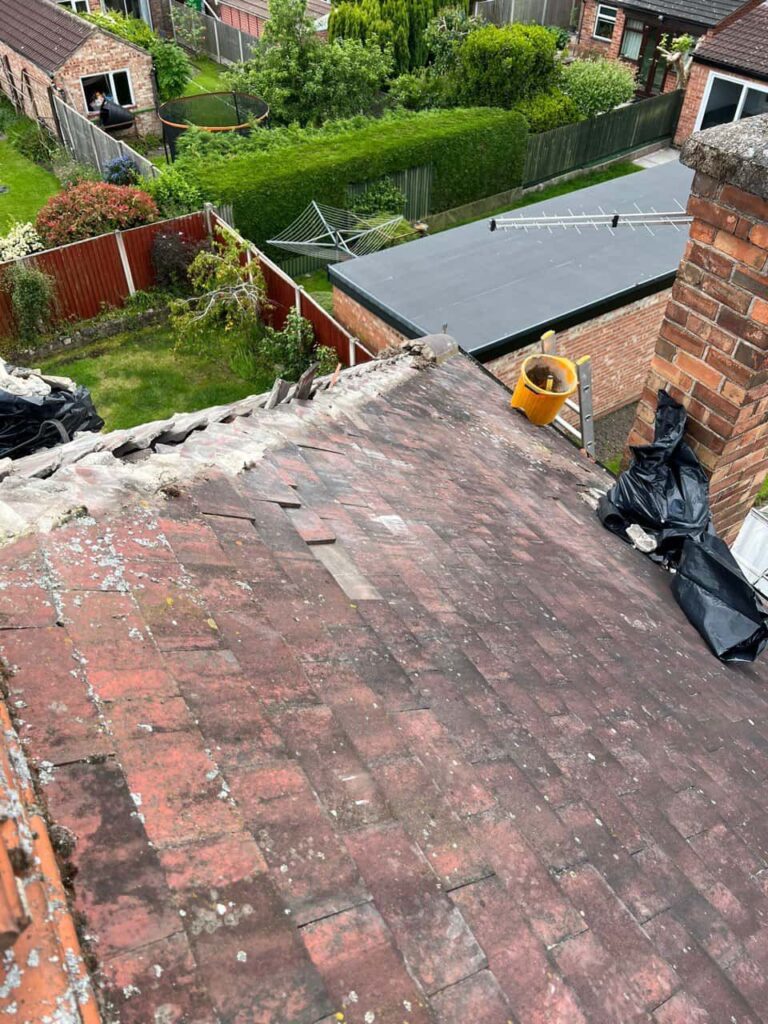
Roof tiles provide an essential barrier against rain, wind and other weather conditions. When tiles become cracked, broken or dislodged, water can penetrate the roofing system and potentially damage the underlying structure, insulation and interior of your home. Although a missing tile may appear to be a minor problem, leaving it unrepaired can allow moisture to spread and create more extensive issues.
For homeowners in Bolsover, Derbyshire, recognising the signs of roof tile damage and arranging repairs promptly can help maintain a weather-resistant roof. Understanding what causes tiles to fail, how to spot the warning signs and when to seek professional assistance can make a significant difference to your property’s long-term condition.
Common Causes of Broken or Missing Roof Tiles
Roof tiles can deteriorate for several reasons, and identifying the cause can help prevent similar problems from recurring.
Strong Winds and Severe Weather
Strong winds can lift loose tiles, displace ridge tiles or cause poorly secured sections of roofing to move. Heavy rainfall can then enter through gaps, particularly when the protective layers beneath the tiles have also deteriorated.
After periods of unsettled weather in Bolsover, it is worth checking your roof from ground level for visible gaps, uneven tile lines or pieces of broken roofing material.
Ageing and General Wear
Roof tiles are designed to withstand prolonged exposure to the elements, but they can become more vulnerable to damage as they age. Repeated temperature changes, moisture and natural deterioration may cause some tiles to crack or break.
Fixings can also weaken over time, allowing tiles to slip out of position. Regular roof inspections can help identify these issues before they lead to water ingress.
Impact Damage
Falling branches, debris or accidental impacts can crack or dislodge roof tiles. Sometimes the damage is obvious, while smaller fractures may be difficult to identify from the ground.
Even a small crack can allow moisture to pass beneath the tile, especially during prolonged rainfall. A professional inspection can establish whether the affected tile needs replacing and whether nearby tiles have also been compromised.
Warning Signs Your Roof Tiles Need Attention
Broken or missing tiles are not always easy to spot, particularly on roofs with steep slopes or multiple sections. However, several warning signs may indicate a problem.
Visible Gaps or Uneven Roof Lines
Missing tiles can leave noticeable gaps in the roof covering, while slipped tiles may create uneven rows or exposed sections. These changes can compromise the roof’s ability to shed water effectively.
Check the roof from a safe position on the ground, using a window with a suitable view if necessary. Avoid climbing onto the roof to investigate suspected damage.
Damp Patches and Ceiling Stains
Brown marks on ceilings, damp patches in loft spaces and peeling paint near the top of walls can indicate water entering through a damaged roof. Moisture may travel along roof timbers before appearing indoors, meaning the visible stain may not be directly below the damaged tile.
If these signs appear after rainfall, arrange an inspection to identify the source rather than simply treating the affected interior surface.
Loose Debris Around the Property
Pieces of broken tile near the house or in gutters may indicate deterioration on the roof. While debris alone does not confirm the exact cause, it is worth investigating, particularly if you notice other signs of damage.
How Damaged Roof Tiles Can Lead to Water Damage
Roof tiles form the outer protective layer of a roofing system. When this covering is compromised, rainwater may reach the underlay, battens and supporting timbers.
If moisture continues to enter, it can affect loft insulation, contribute to timber deterioration and cause damp patches on ceilings and walls. Persistent dampness may also encourage mould growth and damage internal finishes.
Water can travel along structural components before becoming visible, so a leak may affect a larger area than expected. Prompt repairs help limit the time moisture has to spread and reduce the likelihood of further deterioration.
How to Protect Your Home from Roof Tile Damage
Taking a few practical steps can help you identify problems early and maintain the condition of your roof.
Inspect Your Roof Safely
Look for missing tiles, uneven ridges and visible damage from ground level. Check after severe weather and pay attention to any new signs of deterioration.
If you suspect damage, arrange a professional inspection instead of attempting to reach the affected area yourself.
Keep Gutters Clear
Blocked gutters can prevent rainwater from draining away properly, increasing the risk of overflow and moisture affecting the roofline or external walls. Remove accumulated debris safely or arrange professional gutter maintenance where access is difficult.
Address Small Problems Promptly
A slipped or cracked tile may appear insignificant, but leaving it unattended can expose the roof to further water penetration. Early repairs can help prevent the problem from spreading to neighbouring tiles or the underlying roof structure.
Arrange Professional Roof Repairs
A roofing professional can inspect the affected area, identify the cause of the damage and replace broken or missing tiles with suitable materials. They can also check surrounding tiles, fixings and the underlying roof components to establish whether further repairs are necessary.
This thorough approach helps ensure the repair addresses the actual problem rather than just the visible signs.
Why Professional Roof Repairs Matter
Replacing a roof tile involves more than fitting a new piece into an existing gap. The surrounding tiles must be checked, the correct replacement selected and the installation completed so that the roof continues to shed water effectively.
An experienced roofing specialist can identify less obvious defects, assess whether the underlay or battens have been affected and recommend suitable repairs. This is particularly important when leaks have already developed or when several tiles have been displaced.
Bolsover Roofing Repairs can help homeowners in Bolsover, Derbyshire, identify roof tile problems and determine the appropriate repairs to protect their properties from further water damage.
Conclusion
Broken or missing roof tiles can leave your home vulnerable to water ingress, dampness and deterioration of the underlying roofing structure. Visible gaps, loose debris and unexplained ceiling stains are all signs that your roof may need attention.
By checking your roof safely, maintaining clear gutters and arranging prompt repairs, you can help preserve your property’s condition and reduce the risk of more extensive damage.
If you have noticed damaged tiles, missing sections or signs of a roof leak, contact Bolsover Roofing Repairs to arrange an inspection and discuss the most suitable repair solution for your home in Bolsover, Derbyshire.
Call us on: 01246 948 690
Click here to find out more about Bolsover Roofing Repairs
Click here to complete our contact form and see how we can help with your roofing needs.