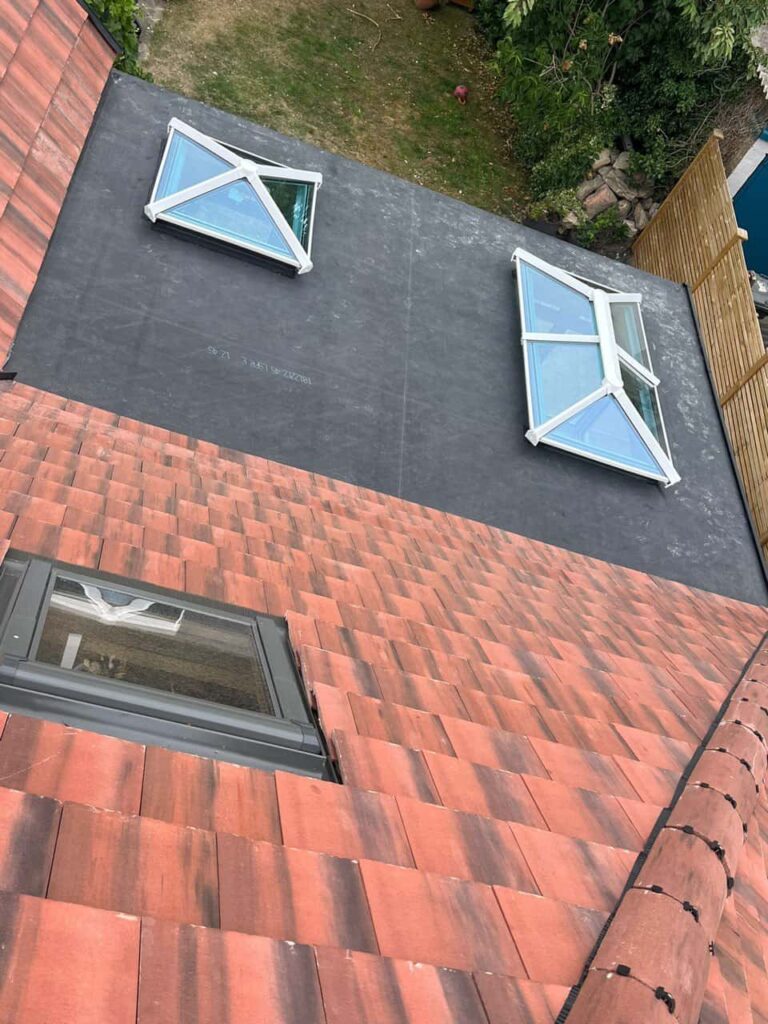
Leadwork is one of the most important weatherproofing elements on many roofs. It is commonly installed around chimneys, roof abutments, valleys and other junctions where tiles or slates alone cannot provide a reliable seal. When properly installed and maintained, lead is exceptionally durable. However, continual exposure to rain, wind and temperature changes means that even good-quality leadwork can eventually require repair.
For homeowners in Bolsover, Derbyshire, recognising the early warning signs of deteriorating roof leadwork can help prevent water ingress and protect the surrounding roofing system. Some problems are visible externally, while others may first become apparent as dampness inside the property.
Why Is Leadwork So Important?
Most pitched roofs contain areas where different materials, roof slopes or structures meet.
These junctions are naturally more vulnerable to water penetration. Lead can be shaped around them to create a durable weather-resistant barrier, directing rainwater back onto the roof covering and towards the drainage system.
Common locations for roofing leadwork include chimney stacks, valleys, abutments and other detailed roof junctions. If the lead becomes damaged or displaced, water may find a route beneath the roof covering.
1. Visible Cracks or Splits in the Lead
Cracking is one of the clearest indications that leadwork needs professional attention.
Lead naturally expands and contracts as temperatures change. Correct installation allows for this movement, but ageing, previous poor workmanship or excessive stress can eventually cause sections to split.
Even a relatively small crack can compromise the weatherproofing of the area. Once water begins passing through it, surrounding roofing materials may also become affected.
Damaged lead should therefore be assessed before the opening becomes larger.
2. Leadwork Lifting Away From the Roof
Lead flashing should remain securely positioned against the surfaces it is designed to protect.
If an edge begins lifting or curling away, wind-driven rain may be able to travel behind it. This can be particularly problematic around roof-to-wall junctions and chimneys.
Movement may result from ageing fixings, weather exposure or incorrect installation.
A professional roofer can determine why the lead has moved and establish the appropriate method of securing or replacing the affected section.
3. Damp Patches Near a Chimney
Dampness appearing on ceilings or walls around a chimney can indicate a problem with the surrounding roof junction.
Chimneys require carefully detailed leadwork because the roof covering has to form a weather-resistant connection around the stack. If flashing becomes damaged, loose or deteriorated, rainwater may enter through the resulting gap.
However, the presence of damp does not automatically prove that the flashing is responsible.
Professional inspection is important because tiles, mortar and other components around the chimney can produce similar symptoms.
4. Water Staining Inside the Property
Discoloured patches on upper ceilings or walls should always be investigated.
Water entering through defective leadwork may travel along roof timbers or other materials before becoming visible internally. The damp patch may therefore appear some distance from the actual point of entry.
This is one reason roof leaks can be difficult to diagnose from inside the property alone.
An experienced roofer will inspect the surrounding roof rather than assuming that the defect is directly above the stain.
5. Loose or Displaced Flashing
Sections of flashing can occasionally become loose or move out of their intended position.
Once this happens, the overlapping arrangement that normally directs water safely down the roof may no longer work correctly. Rainwater can then reach areas that should remain protected.
Loose leadwork should not simply be pushed back into position without determining why it moved. The underlying fixings and surrounding roofing materials also need to be checked.
6. Problems Developing After Heavy Rain
Some leadwork defects become noticeable only during prolonged or heavy rainfall.
A minor weakness may cope with lighter showers but allow water to penetrate when larger quantities of rain run across the affected area. Homeowners may therefore notice that dampness appears only during particular weather conditions.
The timing of a leak can provide useful information when diagnosing its source.
If a recurring leak develops following heavy rainfall, the leadwork and surrounding roof junctions should be included in a professional inspection.
7. Previous Lead Repairs Are Deteriorating
Older roofs may contain leadwork that has already been repaired at some point.
A previous repair can remain effective for many years, but the surrounding materials continue to age. Eventually, further deterioration may occur alongside the repaired section or elsewhere along the same flashing.
Repeated problems in one area can indicate that a more thorough assessment is needed rather than another highly localised repair.
8. Deterioration Around Roof Valleys
Where lead is used within a roof valley, it performs an especially demanding role.
Valleys collect rainwater from adjoining roof slopes and carry it towards the guttering. This means the materials within them regularly deal with concentrated water flow.
Splits, movement or deterioration within lead-lined valleys can therefore create a significant vulnerability.
Professional attention is particularly important because valley problems may affect roofing materials on both sides of the channel.
Why Leadwork Problems Should Be Addressed Promptly
Small defects in leadwork can expose hidden sections of the roof to moisture.
Once water passes through a vulnerable junction, it may reach underlay, battens, roof timbers or internal finishes. Because much of this area is concealed, deterioration can progress before homeowners realise how far the moisture has travelled.
Prompt repairs restore the weatherproof barrier and help prevent the defect from affecting neighbouring roofing components.
Repairing Leadwork Requires Specialist Knowledge
Lead is highly durable, but it needs to be worked and installed correctly.
Its natural thermal movement must be accommodated, sections need appropriate overlaps, and junctions must be detailed so that rainwater is directed away effectively. Simply covering a crack or applying a temporary surface treatment may not address the reason the problem developed.
Professional leadwork repairs consider both the damaged section and how it integrates with the surrounding roof.
The Value of a Complete Roof Inspection
When leadwork appears damaged, examining the surrounding roofing system is equally important.
Tiles or slates may have moved nearby, mortar could have deteriorated, or another junction may also be allowing water to penetrate. A complete assessment helps distinguish between an isolated leadwork problem and wider roof deterioration.
Bolsover Roofing Repairs provides professional roof inspections, leadwork repairs, general roof repairs and new roof solutions throughout Bolsover, Derbyshire. Careful diagnosis allows the work to address the actual cause of the problem rather than simply treating the most obvious symptom.
Conclusion
Cracked lead, lifting edges, displaced flashing, damp patches and recurring leaks around chimneys or roof junctions are all warning signs that roofing leadwork may need attention. Because water can travel after entering a roof, the location of an internal damp patch does not always reveal the true source of the problem.
For homeowners in Bolsover, Derbyshire, having questionable leadwork professionally inspected can help identify defects before they begin affecting a larger part of the roofing system. If you have noticed signs of deterioration or unexplained water ingress, Bolsover Roofing Repairs can assess the roof and carry out the appropriate repair to restore dependable weather protection.
Call us on: 01246 948 690
Click here to find out more about Bolsover Roofing Repairs
Click here to complete our contact form and see how we can help with your roofing needs.