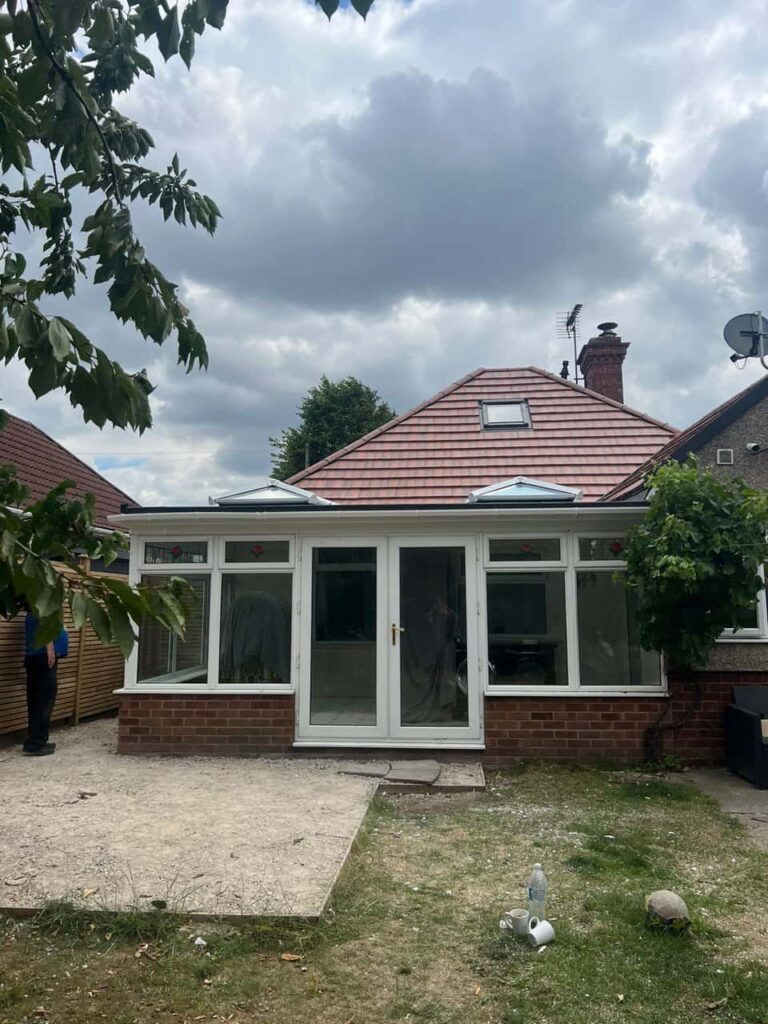
A roof can look tired, weathered or uneven from ground level without necessarily being beyond repair. Discolouration, isolated damaged tiles, ageing mortar or previous repair work can make a roof appear to be in worse condition than it actually is. What matters most is not appearance alone, but whether the roof remains fundamentally sound and whether the defects affecting its performance can be repaired effectively.
For homeowners in Bolsover, Derbyshire, professional roof assessment is therefore more useful than judging the condition of a roof solely by how it looks. A careful inspection can distinguish between cosmetic ageing, localised deterioration and more widespread problems that may require a different approach.
Why a Poor-Looking Roof May Still Be Suitable for Repair
Roofs are continuously exposed to changing weather conditions, so their appearance naturally alters as materials age. Tiles can weather at different rates, mortar can become less uniform and previous repairs may be visually noticeable even when they continue to perform correctly.
These changes do not automatically mean the roofing system has failed.
If the main covering remains secure, important roof details are serviceable and deterioration is concentrated in particular areas, targeted repairs may still restore dependable performance. The decision should be based on condition rather than appearance.
Weathering Can Look Worse Than It Is
Roofing materials rarely retain their original appearance indefinitely.
Exposure to rain, sunlight, wind and seasonal conditions can gradually change the colour and texture of tiles or slates. Some areas may weather differently because of their position on the roof.
This can produce a patchy or aged appearance when viewed from outside.
Visual weathering alone does not necessarily affect the roof’s ability to shed water. The important question is whether the materials remain secure, intact and capable of performing their intended function.
A Few Damaged Tiles Do Not Mean the Whole Roof Is Failing
Cracked, slipped or damaged tiles can make a roof appear neglected, particularly when they are visible from ground level.
However, individual defects should be considered alongside the condition of neighbouring materials.
If a small number of tiles have failed while the surrounding covering remains sound, replacing or securing the affected components may be entirely appropriate.
A professional inspection can establish whether the damage is genuinely isolated or whether similar deterioration is present throughout a larger section.
Previous Repairs Can Make a Roof Look Uneven
Older roofs may contain materials installed at different times.
Replacement tiles can differ slightly in appearance from weathered originals, and repaired sections may remain visible even when the workmanship is sound. These differences can create the impression that the roof is in poor condition.
The appearance of previous work is less important than how effectively it is performing.
If repaired areas remain secure and weather-resistant, there may be no reason to disturb them purely because they look different from surrounding materials.
The Roof Covering Is Only Part of the Assessment
A meaningful assessment should consider more than the visible tiles or slates.
Roof performance also depends on details such as:
- Flashing
- Valleys
- Ridges
- Verges
- Fixings
- Roof junctions
- Previous repair areas
- The general alignment and security of the covering
A roof can look heavily weathered while these important components remain serviceable. Conversely, a comparatively tidy-looking roof can still contain a localised defect that allows water to enter.
Appearance is therefore only one part of the overall picture.
Leaks Should Be Investigated Before Assuming Replacement Is Needed
A leak can understandably make an already tired-looking roof seem as though it has reached the end of its useful service.
However, water ingress can originate from a single identifiable defect.
A damaged tile, deteriorated section of flashing or weakness around a roof junction may allow moisture to enter while the majority of the roof remains perfectly serviceable.
Water can also travel beneath the covering before becoming visible indoors, making the problem appear more extensive than the original point of entry.
Finding the source is therefore essential before deciding whether repair is practical.
Localised Deterioration Can Often Be Addressed
One of the most important distinctions is whether deterioration is localised or widespread.
Localised deterioration may affect a small group of tiles, one section of flashing or a particular roof detail. If surrounding materials remain sound, focused repairs can often restore the affected section without unnecessary work elsewhere.
Widespread deterioration is different.
Where substantial areas are damaged, numerous components are failing or problems repeatedly appear across the roof, continued isolated repairs may provide less dependable results.
A professional assessment helps determine which situation applies.
Roof Age Should Not Determine the Decision on Its Own
An older roof can look visibly aged while continuing to perform effectively.
Age provides useful context, but roofs do not deteriorate according to one universal timetable. Materials, construction, maintenance and exposure can all influence their condition.
For this reason, an older appearance should prompt assessment rather than an automatic assumption that replacement is necessary.
A roof that remains fundamentally sound may still respond very well to carefully planned repairs.
Moss and Surface Discolouration Can Affect Appearance
Changes on the surface of roofing materials can make a roof look considerably older from the ground.
The presence of surface growth or discolouration does not, by itself, establish whether the roof needs repairing or replacing. What matters is the condition of the roofing materials underneath and whether other defects are present.
It is important not to confuse an untidy appearance with structural or weatherproofing failure.
A professional assessment focuses on performance and material condition rather than judging the roof purely on cosmetic appearance.
Uneven Areas Need Closer Investigation
While some visual changes are relatively superficial, others deserve more careful attention.
Noticeable dips, changes in the roof line or widespread displacement of roofing materials should be assessed to establish why they have developed.
These signs may indicate something different from ordinary weathering.
The cause needs to be understood before deciding what work is appropriate. Treating only the visible covering without identifying why it has become uneven may leave the underlying problem unresolved.
Repair History Provides Valuable Clues
How a roof has performed following previous repairs can help determine whether further repair work remains sensible.
An older roof with several successful repairs carried out over many years may still be fundamentally dependable. If those repaired sections remain sound and new defects are isolated, further targeted work may continue to be appropriate.
A different pattern emerges when repairs repeatedly fail or new defects appear across multiple sections.
In those circumstances, the overall condition becomes more important than the appearance of any one area.
When Does a Poor-Looking Roof Become Less Suitable for Repair?
There comes a point where appearance can correspond with genuinely widespread deterioration.
Warning signs may include:
- Numerous damaged roofing materials across different areas
- Repeated leaks from separate locations
- Several roof details deteriorating simultaneously
- Increasingly frequent repairs
- Widespread movement or displacement
- Previous repairs no longer providing lasting results
- Large sections of the covering becoming unreliable
These signs do not mean conclusions should be drawn from ground level. They indicate that a detailed assessment is needed to establish whether further local repairs would provide dependable performance.
Why Repairing a Serviceable Roof Can Make Sense
Where most of a roof remains sound, preserving serviceable materials can be a sensible approach.
A targeted repair focuses attention on the components that have actually failed. This avoids disturbing areas that continue to function correctly and allows the roof to be maintained according to its real condition.
The important point is that repairs should address the underlying cause of the defect.
Simply improving how a roof looks without correcting performance-related problems is not the same as carrying out a proper roofing repair.
Professional Assessment Separates Appearance From Performance
From ground level, it can be difficult to distinguish between a roof that merely looks aged and one experiencing significant deterioration.
Professional assessment examines the individual defects alongside the wider roof. The condition of tiles or slates, vulnerable junctions, previous repairs and other relevant components can all be considered together.
At Bolsover Roofing Repairs, we assess roofing problems in Bolsover, Derbyshire with the aim of establishing what the roof actually requires. If the roof remains fundamentally serviceable, carefully targeted repairs may provide the appropriate solution without assuming that its external appearance means replacement is necessary.
Making the Right Long-Term Decision
The question should not simply be, “Does the roof look old?”
A more useful question is, “Can the existing roof continue to provide reliable protection once its identified defects have been repaired?”
If the answer is yes, repair may remain entirely appropriate. If widespread deterioration means new problems are likely to continue developing throughout the roof, a broader solution may deserve consideration.
Looking at the roof in this way helps ensure the decision is based on performance, condition and long-term reliability rather than appearance alone.
Conclusion
Yes, a roof that looks poor from the outside can still be worth repairing. Weathering, discolouration, isolated damaged tiles and visible previous repairs can all affect appearance without necessarily meaning the entire roofing system has failed.
The deciding factors are the extent of deterioration, the condition of surrounding materials and whether the underlying cause of any problems can be repaired successfully. Where most of the roof remains serviceable, carefully planned repairs can restore dependable performance while preserving sound materials.
If your roof in Bolsover, Derbyshire looks tired or has developed a problem and you are unsure whether repair remains appropriate, contact Bolsover Roofing Repairs. We can assess its actual condition and recommend suitable work based on what the roof genuinely needs.
Call us on: 01246 948 690
Click here to find out more about Bolsover Roofing Repairs
Click here to complete our contact form and see how we can help with your roofing needs.